Overview
The “Containerization and Liner Shipping” training course typically covers the core principles, operational aspects, and logistics of containerized shipping and scheduled liner services within global trade contexts.
Course Full Details
– Introduction to Containerization
– Principles, history, and evolution of container shipping
– Impact on international trade and supply chains
– Container Ship Operations
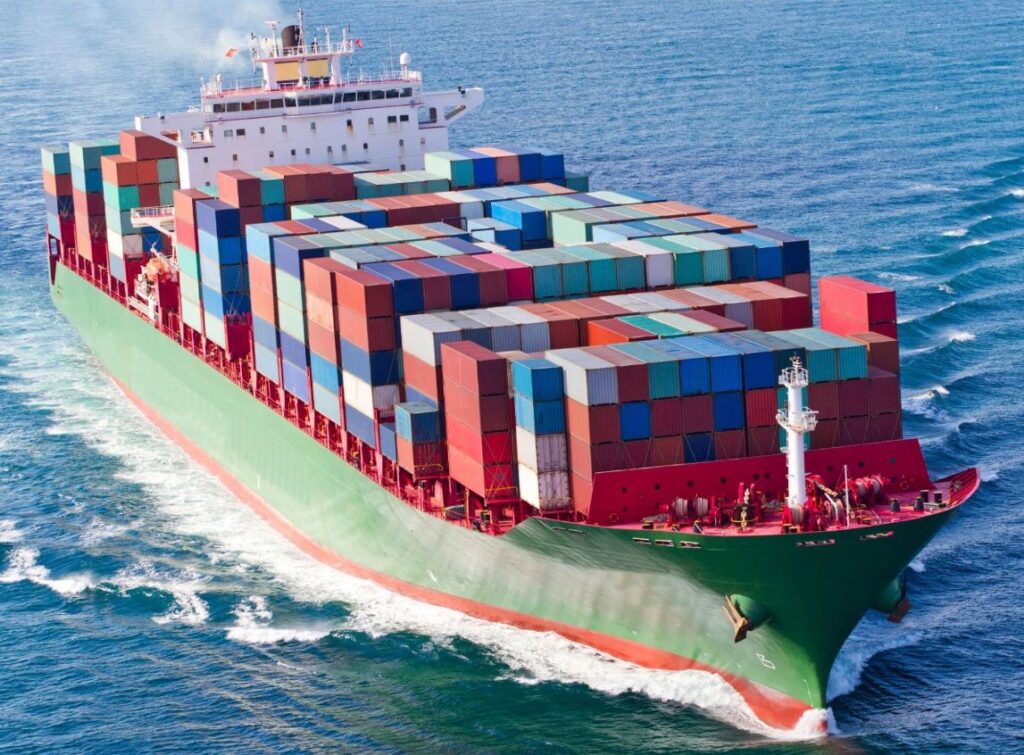
– Types and characteristics of container ships (fully cellular, geared, Ro-Ro, etc.)
– Ship layouts, stowage, and cargo securing techniques
– Maritime container logistics and scheduled liner services
– Container Technology and Management
– Container types, sizes, specifications, and standards
– Packing, loading, FCL/LCL, door-to-door and merchant haulage
– Inspection, maintenance, and container damage assessment
– Port and Terminal Operations
– Terminal infrastructure, handling equipment, and digital technologies
– Container yard management and intermodal connections
– Port coverage, transshipment, and service frequency
– Shipping Line Market Structure
– Service networks, global alliances, and consortia
– Cost structure, freight rates, and contracts
– Cargo Handling and Security
– Cargo characteristics, hazardous goods, and reefer operations
– Risks, marine insurance, and bills of lading
– Business, Regulatory, and Documentation Aspects
– International shipping regulations and compliance
– Market drivers, economic trends, and future developments
-Documentation
Bill of Lading
Packing List
Certificate of origin
Example Daily Breakdown
1 Principles of containerization, trade lanes, service strategies
2 Structure of liner shipping, market, ship operations, contracts
3 Container logistics, types, offerings, supply chain integration
4 Cargo management, inspection, insurance, documentation